Second-hand Clothing Exports Create Added Value and Employment in Importing Countries
Second-hand clothing exports are more than just a solution for textile waste—they are powerful engines of economic opportunity in importing countries. As developed nations ship pre-owned garments to developing economies, a ripple effect of benefits follows, particularly in terms of job creation and local value addition.
Boosting Local Economies
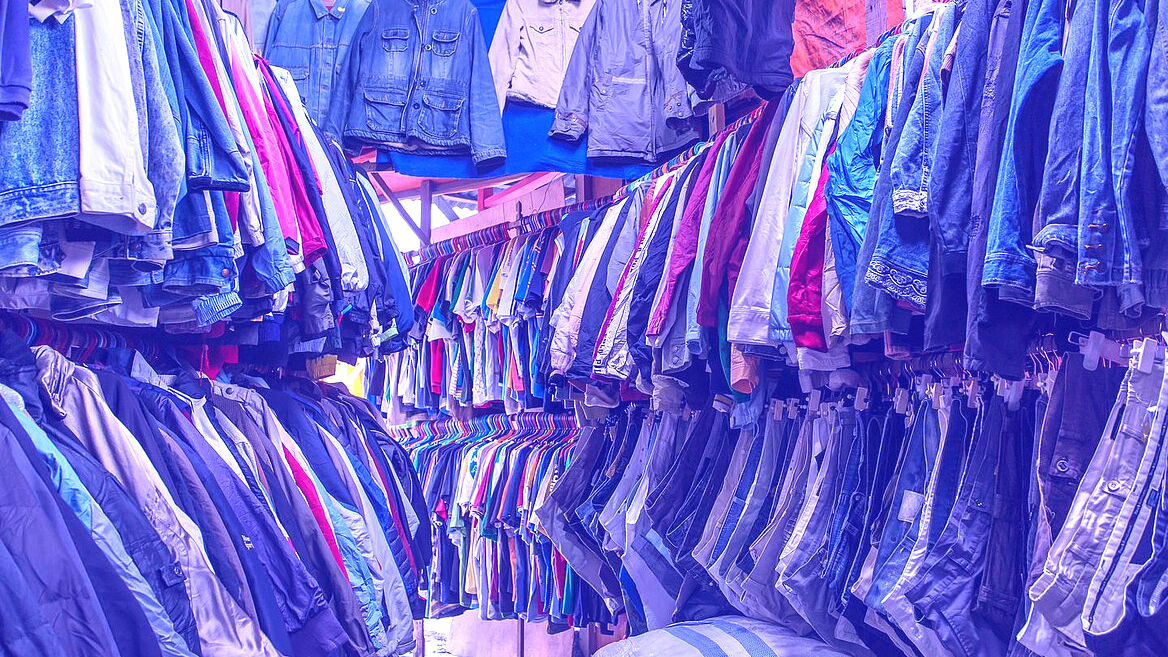
In countries across Africa, Southeast Asia, and parts of South America, second-hand clothing fuels a large informal sector. Street vendors, small shop owners, and market traders thrive on the resale of used garments. These activities not only support individual livelihoods but also contribute significantly to the local economy.
Employment Across the Supply Chain
The journey of second-hand clothing creates multiple touchpoints for employment—from port workers and logistics providers to market sellers and tailors. In some countries, micro-enterprises repair, upcycle, or redesign these garments to better suit local tastes, increasing their value and extending their usability.
Encouraging Entrepreneurship
Importing second-hand clothes often fosters grassroots entrepreneurship. With low start-up costs, individuals—especially women and youth—can launch businesses in sorting, customizing, and retailing pre-owned fashion. This independence contributes to broader socio-economic development.
Affordable Fashion for All
Beyond economics, second-hand imports democratize fashion. They allow low-income consumers access to a wide variety of quality clothing at affordable prices—clothing they might not otherwise afford if purchased new. This improves living standards and promotes dignity through choice.
Challenges and Responsible Practices
While the benefits are substantial, responsible export practices are crucial. Importing countries must manage potential environmental concerns related to unsold or unusable garments. Exporters, in turn, should ensure their goods are clean, wearable, and beneficial—not burdensome—to the receiving markets.
Conclusion
Second-hand clothing exports do far more than reduce landfill waste. They spark entrepreneurship, generate employment, and stimulate local industries in importing nations. With the right balance of ethical practices and local regulation, this global trade can continue to uplift communities while promoting a more circular, sustainable fashion economy.