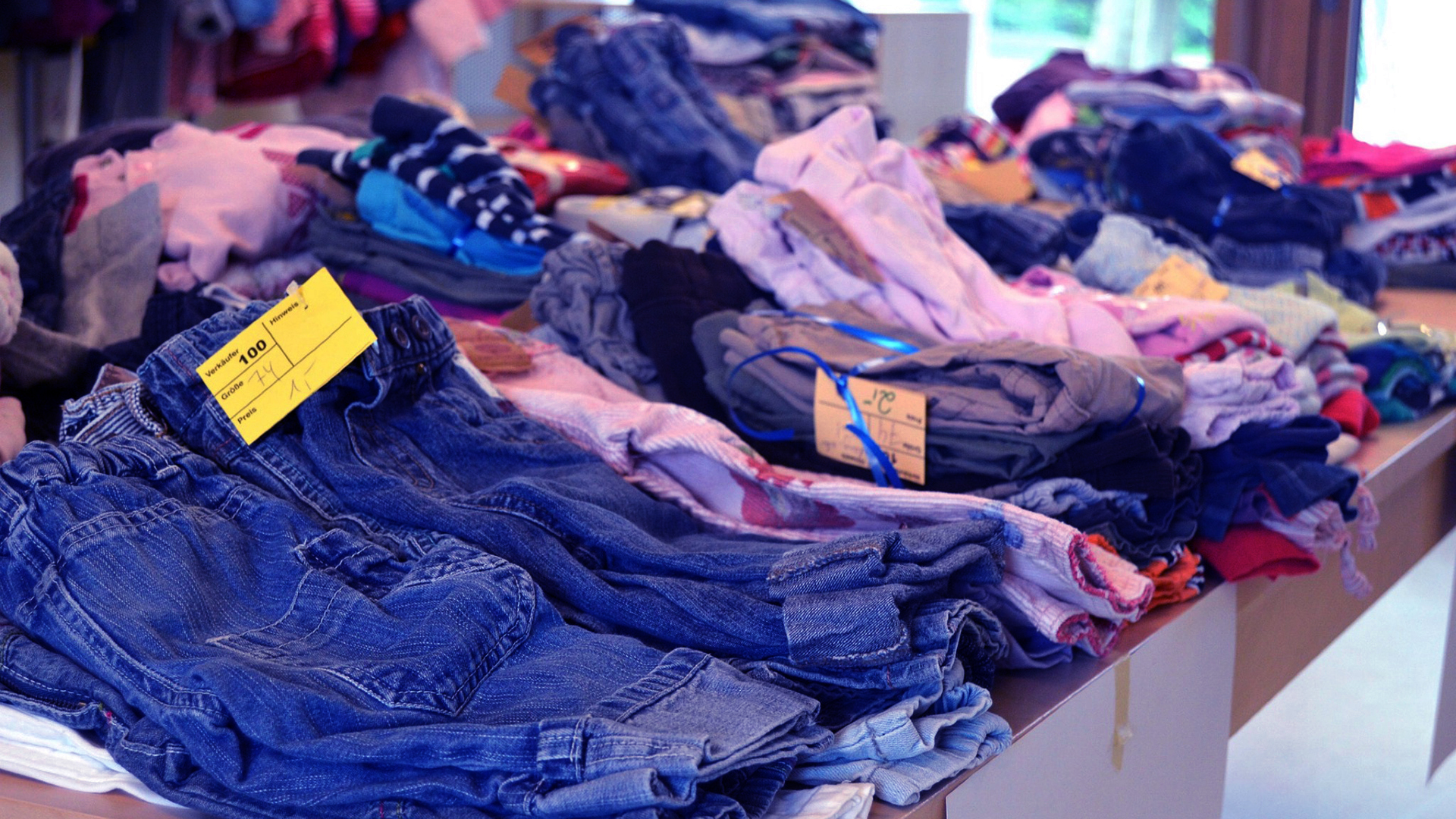
Second-Hand Clothes: A Smart Choice for the Planet
In a world grappling with climate change and unsustainable consumption, second-hand clothing has emerged as a silent hero. From local thrift stores to global textile recyclers like Bridging Asia Co., Ltd., the second-hand apparel industry is reshaping how we view fashion — not just as a trend but as a responsibility.
1. Reduces Textile Waste
Every year, over 92 million tonnes of textile waste end up in landfills. Many garments are thrown away after just a few uses, contributing to one of the world’s most polluting industries. Buying and selling second-hand clothes keeps garments in use longer, significantly reducing the volume of waste.
Fact: Extending the life of clothing by just nine months can reduce carbon, water, and waste footprints by 20-30%.
2. Saves Water and Energy
It takes 2,700 liters of water to produce a single cotton t-shirt — enough for one person to drink for two and a half years. Manufacturing clothes also involves energy-intensive processes like dyeing, finishing, and transportation. Choosing pre-loved garments conserves both water and energy.
By reusing clothes, we skip the production cycle and the heavy environmental cost that comes with it.
3. Lowers Carbon Emissions
The fashion industry accounts for 10% of global carbon emissions — more than all international flights and maritime shipping combined. Second-hand clothing doesn’t require new materials, manufacturing, or long-distance shipping from raw material to factory. That means a much lower carbon footprint per garment.
4. Promotes Circular Economy
Every time a piece of clothing is reused, repaired, or recycled, we support a circular fashion economy. It’s an alternative to the traditional linear model of “make, use, dispose.” This not only benefits the environment but also generates jobs in collection, sorting, grading, and reselling sectors.
Companies like Bridging Asia Co., Ltd. are at the forefront of this movement, connecting global businesses with high-quality sorted bales and raw materials for reuse.
5. Makes Sustainable Fashion Accessible
Second-hand clothing is not only good for the Earth — it’s also affordable, giving people access to quality fashion at a lower price. It bridges the gap between environmental sustainability and economic practicality, especially in developing countries where affordable clothing is essential.
Bridging Asia’s Role in a Greener Tomorrow
At Bridging Asia Co., Ltd., we believe that business and sustainability go hand-in-hand. By exporting carefully sorted second-hand clothing and textile materials to partners worldwide, we contribute to the global mission of reducing waste and promoting reuse.
Our network spans across Japan, South Korea, and beyond — serving clients in Africa, Southeast Asia, and other regions where the reuse of garments makes both economic and ecological sense.
Final Thought
Second-hand clothing isn’t just old clothing — it’s a new chance for the planet. Whether you’re a buyer, seller, or wearer, embracing reuse is a simple step with powerful impact.
Let’s wear change. Let’s build a sustainable future — one garment at a time.